
Sports broadcasting has always been about giving audiences more than they could see from the stands. Replay angles, slow motion, on-screen statistics — each generation of broadcast technology extended what a viewer could perceive. What Prime Video is doing with its 2026 NBA Playoffs coverage represents something structurally different: not just adding information to the screen, but building a real-time data layer that changes how the broadcast itself is organized.
What Prime Vision Actually Is
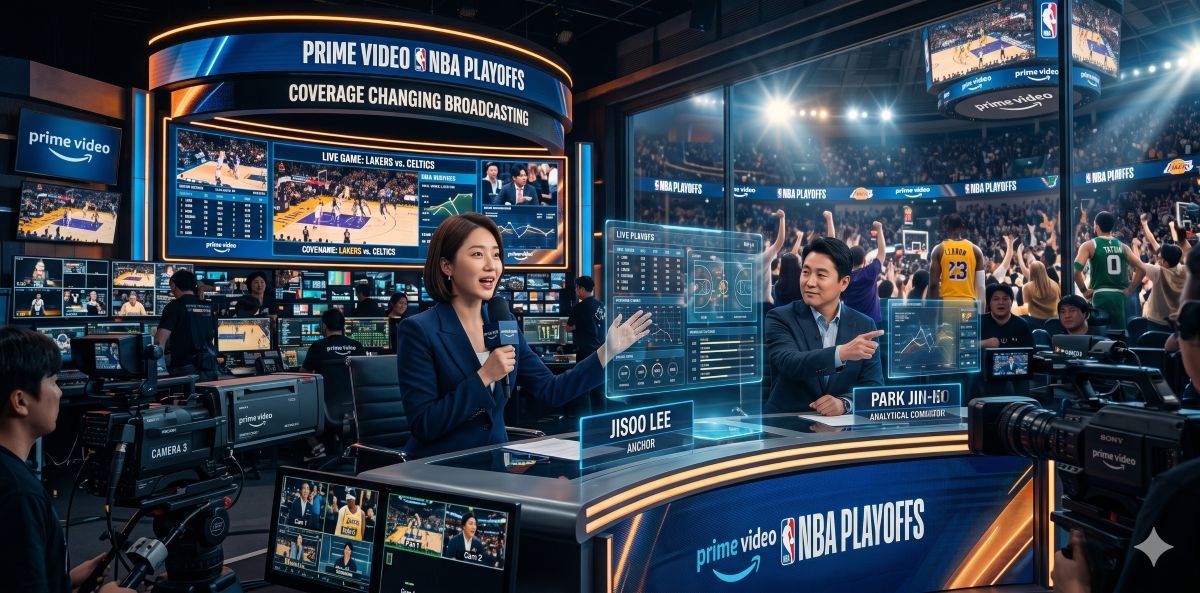
Prime Vision is not a graphics package. It is an alternate viewing feed — a fully separate broadcast stream built around a distinctive above-the-rim camera angle, AI-powered on-screen overlays, and a continuous layer of advanced statistics that update as the game unfolds. It made its NBA debut during the regular season and is now being expanded across the 2026 playoff coverage, including the Play-In Tournament that began April 14.
The distinction matters. A traditional broadcast might show a player’s points-per-game average in a lower-third graphic. Prime Vision shows catch-and-shoot three-point percentage, off-dribble efficiency, dribbles per shot, and pace across the half court — all updating in real time, not pulled from a static database but generated through live computer vision analysis of the game as it happens.
For viewers accustomed to standard coverage, the experience is immediately different. The camera angle alone — above the rim rather than at court level — changes spatial perception of the game. Combined with the data layer, it creates something closer to how a coach or analyst watches basketball than how a traditional broadcast presents it.
Prime Insights: Where the Engineering Lives
Behind Prime Vision sits Prime Insights, the underlying AI system that makes the real-time data layer possible. According to Sports Video Group, Prime Insights was developed through collaboration between Prime Video producers, broadcast engineers, on-air analysts, AI specialists, and computer vision experts, all operating within AWS’s infrastructure.
The system does not simply retrieve existing statistics. It interprets the game visually, identifying player positions, movement patterns, spacing, and situational context — then translates that interpretation into information that appears on screen within the live broadcast window. One of the new capabilities deployed for the 2026 playoffs is a mismatch identifier: the system recognizes in real time when an offensive player has gained a positional or matchup advantage over their defender, and flags it on screen before the play fully develops.
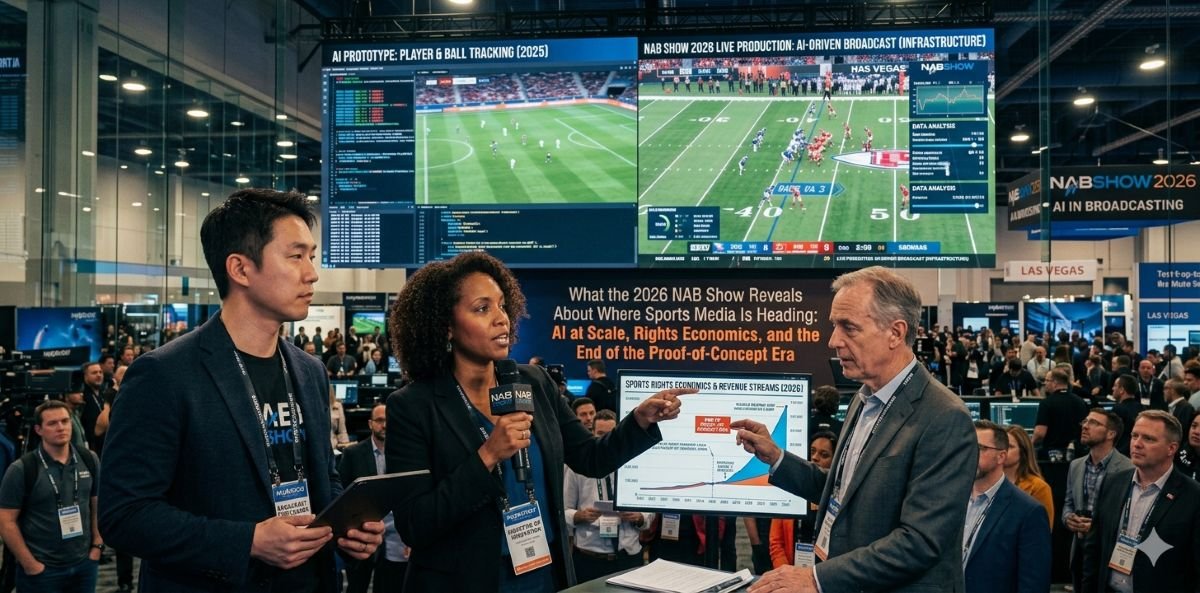
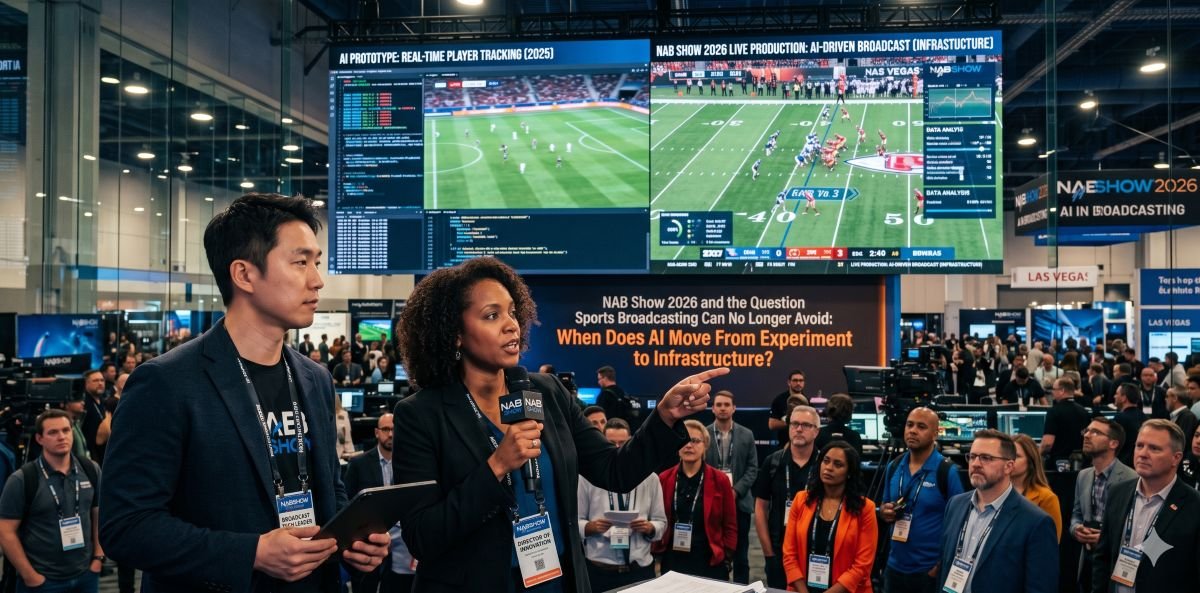
This is the part of the story that goes beyond streaming product reviews. The question is not whether Prime Video has interesting features. The question is what it means for the structure of sports broadcasting when a data layer built on computer vision and machine learning becomes a standard component of live production.
The Broadcast Structure Shift
Traditional sports broadcasts are built around a linear editorial model: producers decide what viewers see, analysts interpret what happened after it occurs, and graphics reinforce the narrative the broadcast team has constructed. That model has been refined over decades and remains effective at telling sports stories to general audiences.
What Prime Insights introduces is a parallel editorial layer that operates outside that human-curated structure. The AI system is making interpretive decisions — this is a mismatch, this spacing suggests a particular play pattern, this pace metric indicates a tactical shift — in real time, independently of the broadcast team. Those decisions then surface on screen alongside the human commentary.
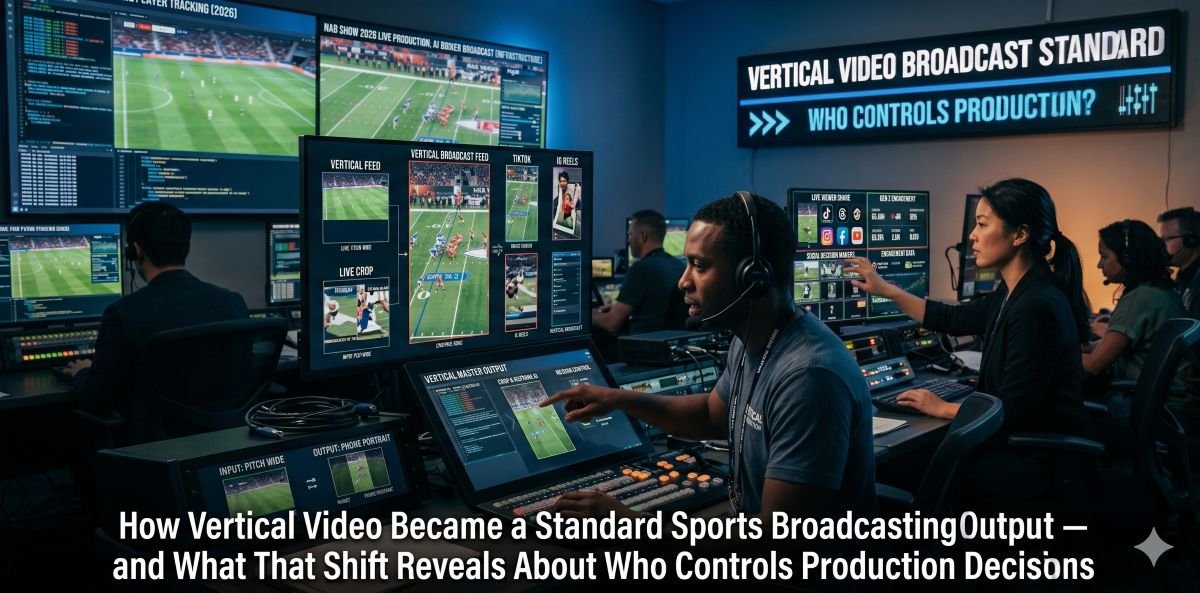
This is not replacement of the editorial process. It is the addition of a second, algorithmically generated editorial voice running concurrently with the first. How broadcasters integrate, prioritize, and ultimately reconcile those two voices is the structural challenge the industry is now working through.
Prime Video has been iterating on this model since deploying Prime Insights for NFL Thursday Night Football coverage in 2022. The NBA application extends that architecture into a different sport with different spatial dynamics, different statistical vocabularies, and a different audience relationship to data. The fact that the same infrastructure also serves NASCAR and UEFA Champions League coverage indicates that the system is designed as a cross-sport data layer, not a basketball-specific tool.
Relevance for Korean Sports Broadcasting
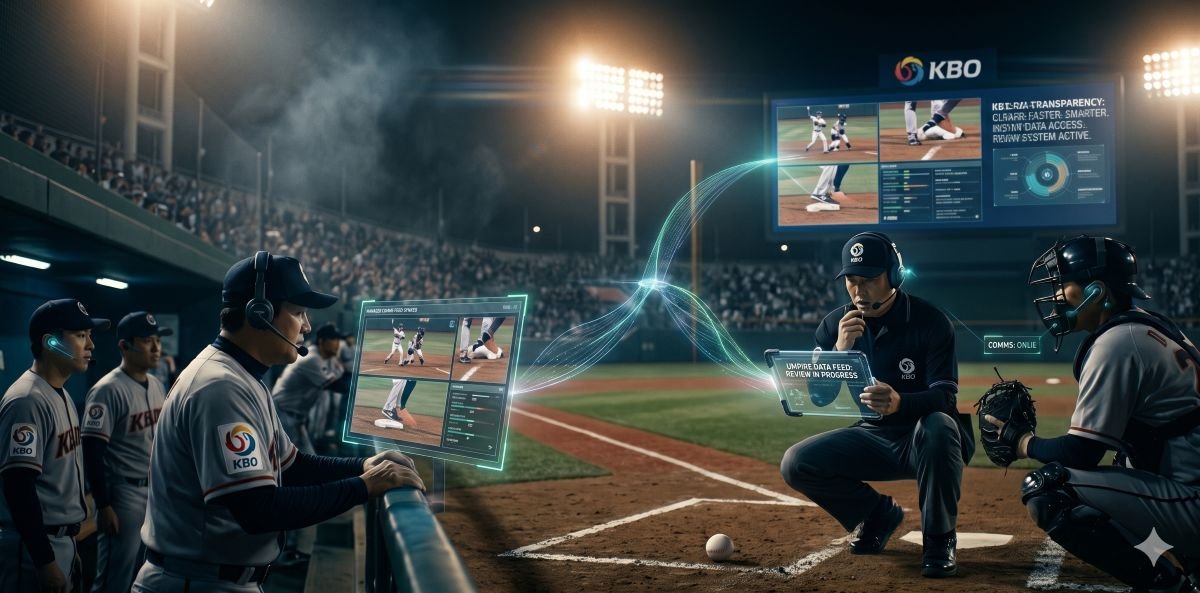
For Korean broadcasters and streaming platforms navigating their own production challenges, the Prime Video model represents a reference point for where sports media infrastructure is heading. The detailed analysis of how SOOP and Chzzk have approached live sports streaming strategy — including the structural decisions behind the LCK rights deal — at Anyang Insider offers useful context for understanding how these upstream broadcast technology decisions eventually shape domestic platform competition.
The AI data layer Prime Video is deploying is not a feature. It is an architectural decision about what sports broadcasting is for — and that decision is now being made at scale, across multiple sports, in front of the largest streaming audiences in history.
For deeper context on how real-time data systems function within live sports score and broadcast platforms, 실시간 이벤트와 베팅 시스템의 결합이 참여와 의사 provides analytical framing on how live data integration changes engagement structures across sports media environments.