
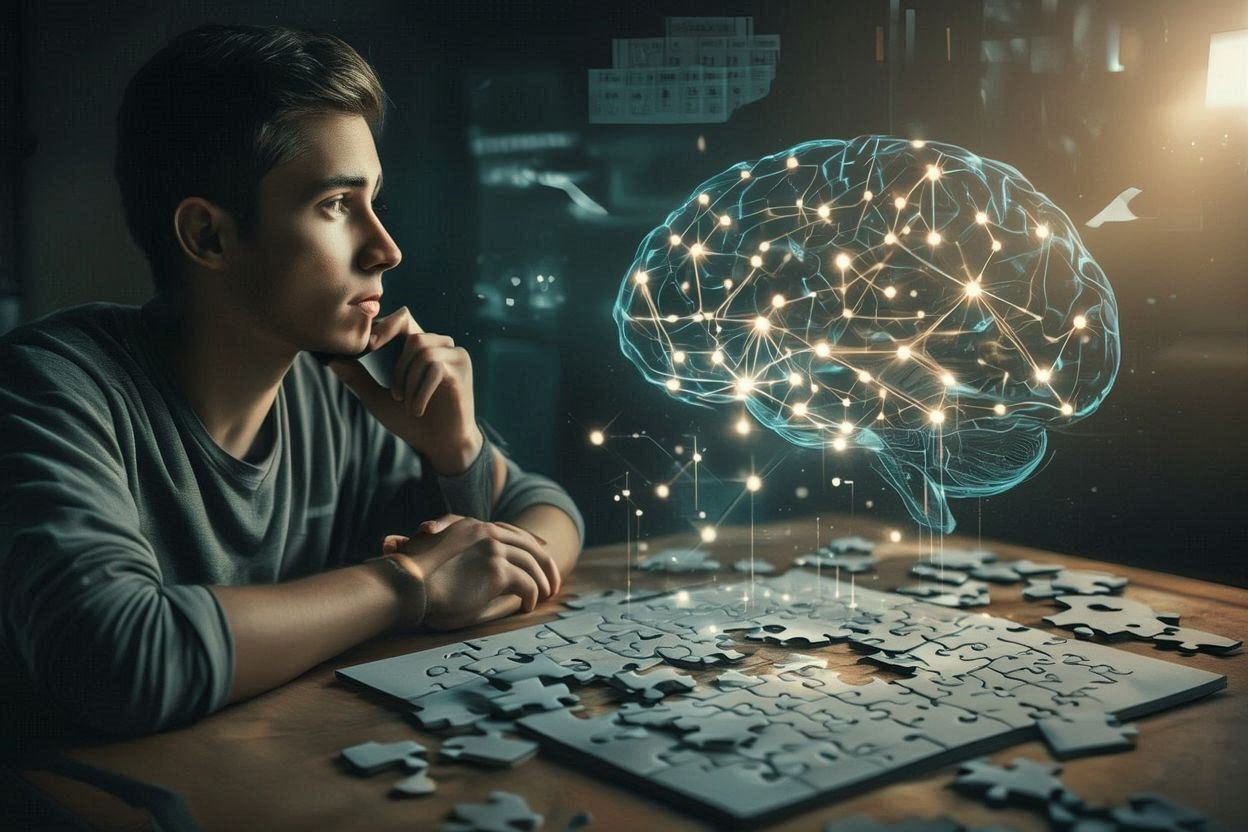
Explanations feel clear after an outcome is known because the brain creates a simple path from the past to the present. This is called hindsight bias. Once we know the result, we forget how many other things could have happened. Our memory changes to make the actual result look like it was the only possible choice. This makes us feel smarter than we were before the event, but it also makes it harder to learn from our real mistakes.
The Rewriting of Memory
The human brain is excellent at making sense of a messy world. To save energy, it likes to connect dots in a straight line. Before a big event, such as a sports match or a business decision, the future looks like a foggy road with many different turns. We feel uncertain because there are many variables we cannot control.
However, as soon as the event finishes, the fog disappears. The brain looks back and ignores all the roads we did not take. It focuses only on the path that led to the result. Because that path is now clear, we convince ourselves that we saw it all along. We tell our friends that the result was obvious. This is not because we are lying, but because our brain has actually updated our memory with the new information.
The Data of the “I Knew It” Effect
Psychologists have measured this effect in many studies. One of the first major studies was done by Baruch Fischhoff in 1975. He asked people to estimate the probability of different outcomes for a historical event they did not know much about. One group was told the answer, while the other group was not.
The group that knew the answer was much more likely to say that the outcome was predictable. They could not imagine a world where the other outcomes were possible. The following data shows how people’s estimates of probability change once they know what happened.
| Event Type | Probability Estimated Before the Result | “Memory” of Probability After the Result | The Bias Gap |
| Political Election | 35% | 62% | +27% |
| Sports Match | 42% | 71% | +29% |
| Medical Diagnosis | 28% | 55% | +27% |
This data illustrates that once people know the result, their “memory” of how sure they were grows by nearly double. This gap is the evidence of hindsight bias in action.
Expert Insights on the Mind
Experts who study the way we think say that this bias is a natural part of being human. Daniel Kahneman, a scholar who won a Nobel Prize for his work on decision-making, explains that a general limitation of the human mind is its imperfect ability to reconstruct past states of belief. He says that once you adopt a new view of the world, you immediately lose much of your ability to recall what you used to believe before your mind changed.
Baruch Fischhoff also notes that knowledge of an outcome increases the perceived likelihood of that outcome. He mentions that people often feel that if they can explain why something happened, then it must have been predictable. This is a mistake in logic. Just because we can explain the past does not mean we could have predicted it before it happened.
A Story of a Bad Investment
Imagine a person named David who decides to invest his savings in a new technology company. Before he gives the money, he is nervous. He talks to his partner about the risks. He worries that the company might fail because of strong competition. He spends nights wondering if he is making a mistake.
A year later, the company fails. Immediately, David says to his partner that he knew he should not have invested. He claims that the signs of failure were clear from the start. He points to the competition and the bad management as things he saw on day one.
In reality, David did not “know” the company would fail. If he had known, he would not have invested his money. His brain has simply deleted the memories of his hope and excitement. It replaced them with a clear explanation for the failure. By doing this, David protects his ego. He feels like he is a smart person who just made a small mistake, rather than someone who was genuinely uncertain and wrong.
The Danger of Overconfidence
While feeling smart is nice, hindsight bias has a negative side. It makes us overconfident about the future. If we believe that the past was easy to predict, we assume the future will be easy to predict too. This leads people to take big risks that they are not ready for.
In professional fields like medicine or law, this bias can be harmful. A doctor might look at a patient’s case after a surgery went wrong and say that the mistake was obvious. They might blame the original doctor for being careless. This is unfair because the second doctor has the benefit of the final result. They are judging a person who had to make a choice without knowing the outcome.
How to Stay Realistic
It is difficult to stop hindsight bias completely because it happens automatically. However, we can reduce its power by keeping a record of our thoughts.
Write down your predictions and feelings before a big event.
Note the reasons why you are uncertain.
After the event, look back at your notes before you try to explain what happened.
Acknowledge that luck and randomness play a part in every outcome.
By looking at our actual thoughts from the past, we can see the gap between what we knew then and what we know now. This helps us stay humble and prevents us from believing the lie that everything is predictable.